Northern Pintail Season 2025–26
The northern pintail carries a federal sub-limit of 1 per day in all four USFWS flyways — one of the most strictly managed duck species in North America. Here's what you need to know.
1/day sub-limit all flyways
Counts toward daily aggregate
Season open 2025–26
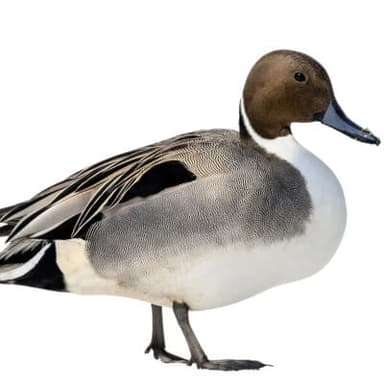
Federal Sub-Limit: 1 Pintail Per Day
The USFWS has set northern pintail at 1/day for multiple consecutive seasons due to population management. This sub-limit applies in all four flyways and is separate from — but counts toward — your daily duck aggregate (typically 6/day). The pintail season has been closed entirely in some past years; it is open for 2025–26 with the 1/day allocation. Always confirm with your state wildlife agency before hunting.
2025–26 Pintail Bag Limit by Flyway
The USFWS sets a uniform pintail sub-limit across all four flyways. Pintail are hunted during the regular duck season.
| Flyway | Pintail Sub-Limit | Note |
|---|---|---|
| Atlantic Flyway | 1/day | Federal sub-limit — applies all states |
| Mississippi Flyway | 1/day | Federal sub-limit — applies all states |
| Central Flyway | 1/day | Federal sub-limit — applies all states |
| Pacific Flyway | 1/day | Federal sub-limit — applies all states |
Pintail Population Context
Northern pintail populations have been below the USFWS long-term average and recovery targets for most of the past three decades. The primary breeding grounds are in the Prairie Pothole Region — the Dakotas, Nebraska, southern Canada — and population productivity is tightly correlated with wetland conditions there.
The USFWS uses the conservative 1/day allocation as a tool to manage harvest pressure while allowing pintail populations time to recover. In years when pintail populations fall below certain thresholds, the USFWS has the authority to close the season entirely — which has happened in the past. In years with strong breeding surveys, the allocation can increase, though it has remained at 1/day for multiple consecutive recent seasons.
Top Pintail Hunting States
Sacramento Valley is the largest pintail wintering area on the Pacific Flyway. Some of the best pintail hunting in the country is in the rice fields and wetlands of northern California.
Gulf Coast marshes and Panhandle playas concentrate large numbers of pintail. Texas receives pintail from both the Central and Mississippi Flyways.
Primary breeding ground for northern pintail in the US. Excellent early season pintail hunting over prairie potholes before birds move south.
Major breeding ground and early migration staging area. Prairie pothole hunting for pintail in September and early October.
Flooded rice fields of the Grand Prairie attract pintail during winter migration. World-class pintail hunting alongside mallards.
Coastal marshes and flooded agricultural areas winter significant pintail populations. Gulf Coast state with extended season.
Pintail Hunting — Frequently Asked Questions
Track your pintail season with BlindBook
Log every sprig, stay within the 1-bird federal sub-limit, and never lose track of your daily bag.
Data compiled from state wildlife agency publications and U.S. Fish & Wildlife Service. Source: BlindBook Research Team, verified 2026-05-08. Always confirm with official state agency regulations before hunting.
For waterfowl population trends, harvest analysis, and conservation research, see WaterfowlAI Insights.