Canvasback Season 2025–26
The canvasback — "King Can" — carries a federal sub-limit of 1 per day in all four USFWS flyways. Season is open for 2025–26. Here's what you need to know before you go.
1/day sub-limit all flyways
Season open 2025–26
Counts toward daily aggregate
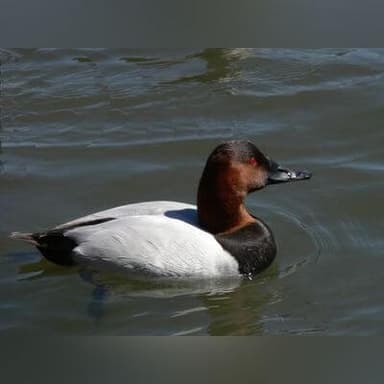
Federal Sub-Limit: 1 Canvasback Per Day
The USFWS sets canvasback at 1/day in all four flyways for 2025–26. The season has been closed entirely in past years when populations were critically low. For 2025–26, the season is open with a 1/day allocation. Canvasback count toward both the sub-limit AND your daily duck aggregate. Always confirm with your state wildlife agency before hunting.
2025–26 Canvasback Bag Limit by Flyway
The USFWS sets a uniform canvasback sub-limit across all four flyways. Canvasback are hunted during the regular duck season.
| Flyway | Canvasback Sub-Limit | Note |
|---|---|---|
| Atlantic Flyway | 1/day | Federal sub-limit — applies all states |
| Mississippi Flyway | 1/day | Federal sub-limit — applies all states |
| Central Flyway | 1/day | Federal sub-limit — applies all states |
| Pacific Flyway | 1/day | Federal sub-limit — applies all states |
Population & Management Context
The canvasback has one of the most storied histories of any North American waterfowl species. Once harvested by the millions in the 1800s and early 1900s on Chesapeake Bay market hunts, the species crashed dramatically through the 20th century under hunting pressure and habitat loss. The canvasback season was completely closed from 1991–1993 at the lowest population point.
Populations recovered through the 1990s and 2000s, and the USFWS re-opened the season at conservative allocations. Recent breeding populations have been in the range of 600,000–800,000 birds, approaching but still below the long-term recovery target of approximately 1,080,000. The 1/day allocation is management by design — allowing hunters access to the species while keeping harvest pressure low enough to protect the recovery trajectory.
Top Canvasback Hunting Locations
Chesapeake Bay is the crown jewel of Atlantic Flyway canvasback hunting. Upper Bay and Eastern Shore river systems historically host the largest East Coast concentrations.
Chesapeake Bay tributaries — the York, Rappahannock, and James River systems — winter significant canvasback numbers. Old-tradition club and public hunting available.
Top breeding state for canvasback. Good early season diver hunting on prairie lakes before the migration fully kicks off.
Prairie pothole country produces large numbers of breeding canvasback. Outstanding early-season diver hunting.
Mississippi River backwaters and inland lakes provide excellent canvasback habitat during migration and early winter.
Illinois River system is a major canvasback staging and migration corridor. World-class diver hunting at several public areas.
Table Rock and other major reservoirs concentrate canvasback during migration. Good diver hunting alongside scaup and redhead.
Canvasback Hunting — Frequently Asked Questions
Track your canvasback season with BlindBook
Log your cans, track the 1-bird daily limit, and keep a full season harvest record.
Data compiled from state wildlife agency publications and U.S. Fish & Wildlife Service. Source: BlindBook Research Team, verified 2026-05-08. Always confirm with official state agency regulations before hunting.
For waterfowl population trends, harvest analysis, and conservation research, see WaterfowlAI Insights.